Sensitive Toothpaste
if cold water, ice cream, or even breathing in cool air makes your teeth zing, a sensitive toothpaste is usually step one. most work by using potassium nitrate or stannous fluoride to calm the nerve or block tiny tubules in the tooth, while fluoride strengthens enamel over time. they need consistency: 2x a day for at least 2–4 weeks before you really judge if they’re doing anything.
3/13/20264 min read
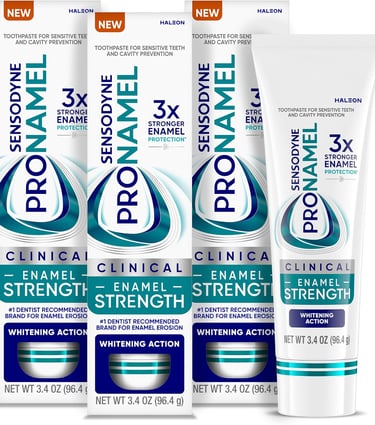
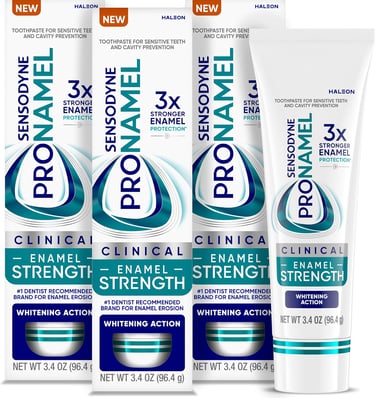
1. sensodyne pronamel gentle whitening / clinical white
what it is: enamel‑protecting sensitivity toothpaste with potassium nitrate and fluoride, plus gentle whitening polish.
pros:
protects against acid erosion and strengthens enamel while calming sensitivity
gently removes surface stains without harsh abrasives
repeatedly recommended in dentist lists as a go‑to everyday option for sensitivity + mild whitening
cons:
whitening is more gradual and subtle compared with high‑peroxide formulas
best for maintenance and mild stains, not dramatic “before/after” transformations
best for: everyday sensitivity with enamel wear (sodas, citrus, reflux) where you still want a bit of whitening.
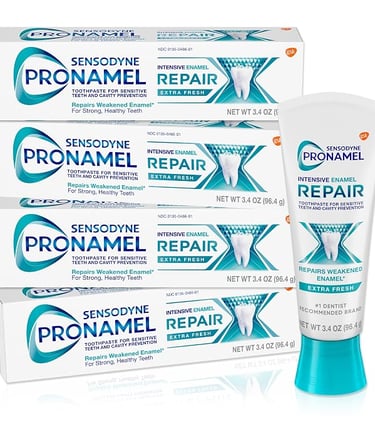
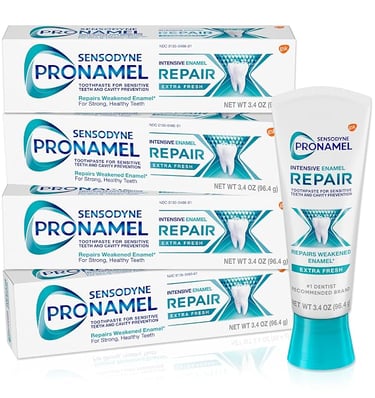
2. sensodyne pronamel intensive enamel repair
what it is: sensitivity toothpaste focused on “rehardening” and reinforcing weakened enamel with fluoride while easing pain.
pros:
formulated to strengthen and re‑mineralise softened enamel and protect against acid erosion
uses potassium nitrate for sensitivity relief while fluoride helps repair weak spots
highlighted in enamel‑repair articles as a strong choice when sensitivity comes with visible enamel wear
cons:
marketing can sound like it “regrows” enamel, but it really reinforces what’s left, not magic regrowth
more about protection and comfort than whitening or cosmetic change
best for: people with sensitivity plus enamel erosion (e.g., from acid drinks, reflux, or over‑brushing).
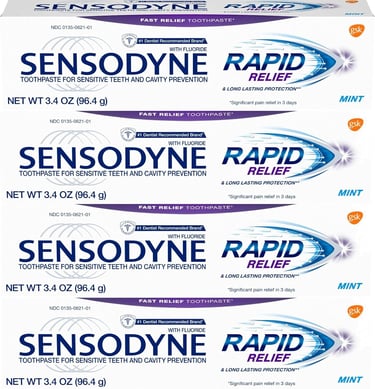
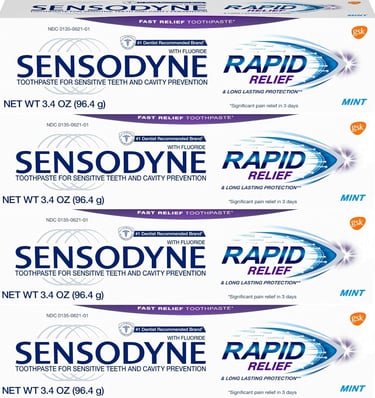
3. sensodyne rapid relief
what it is: fast‑acting sensitivity toothpaste designed to block pain quickly by sealing exposed dentin.
pros:
marketed and studied for quick relief, sometimes within days with proper use
creates a protective layer over exposed dentin to reduce nerve triggers
often listed by dentists as a top pick when sensitivity has just started or is very sharp
cons:
not a whitening product; mainly about comfort
still needs twice‑daily, ongoing use to maintain the effect
best for: newer or sharper sensitivity where you want faster relief before worrying about whitening.
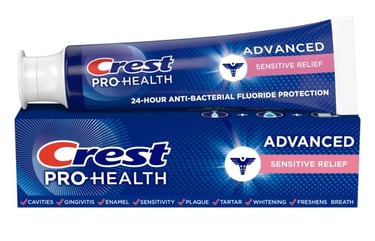
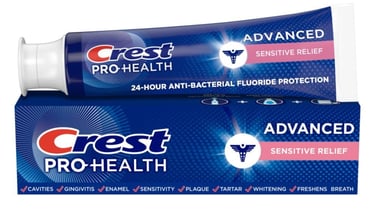
4. crest gum & sensitivity / crest gum & sensitivity + enamel shield
what it is: stannous‑fluoride toothpaste targeting both tooth sensitivity and early gum‑line problems.
pros:
stannous fluoride helps desensitise teeth and fight plaque at the gum line
good for people whose sensitivity is worse near the gums or with mild gingivitis
often recommended in dentist guides where gum health + sensitivity are linked
cons:
stannous fluoride can leave a slightly metallic taste or temporary mild staining in some users
less focused on whitening than on overall gum + sensitivity care
best for: sensitive teeth plus sore/bleeding gums or gum‑line recession.
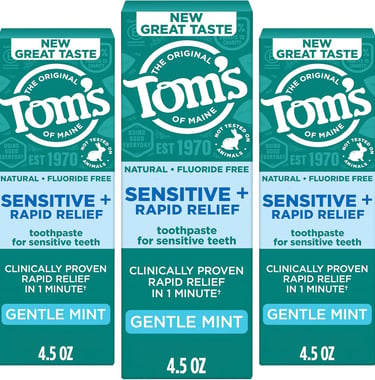
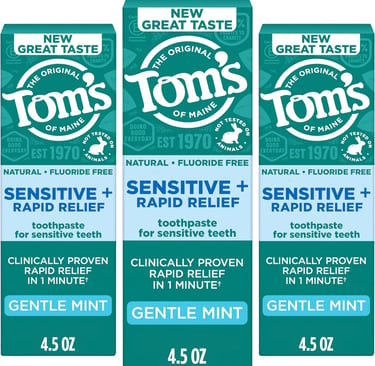
5. tom’s of maine rapid relief sensitive
what it is: more “natural” sensitivity toothpaste using arginine and calcium carbonate to block pathways to the nerve.
pros:
provides sensitivity relief using arginine‑based technology instead of just potassium nitrate
marketed as a more natural‑leaning option with simpler ingredient lists
recommended as an alternative for people who want sensitivity relief but prefer “cleaner” formulas
cons:
whitening effect is minimal; mainly about comfort
some people find the texture or flavour more “chalky” compared to mainstream brands
best for: sensitivity sufferers who prioritize more natural branding/ingredients over strong whitening claims.
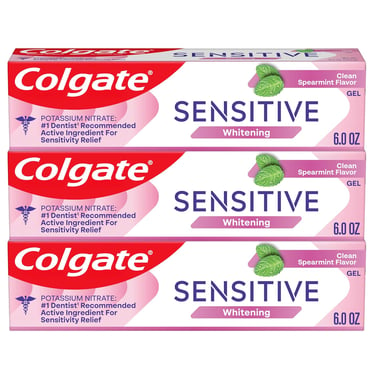
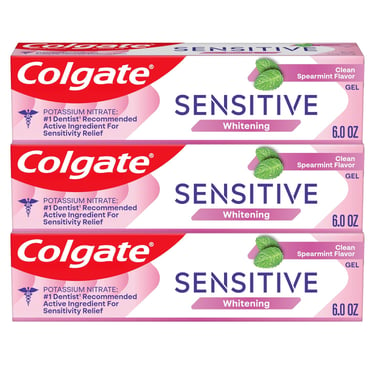
6. colgate sensitive whitening toothpaste, enamel repair & cavity protection
what it is: mint gel with potassium nitrate + fluoride for sensitivity relief, enamel support, and surface‑stain removal.
pros:
5% potassium nitrate for lasting sensitivity relief with twice‑daily use.
helps repair weakened enamel and protect against cavities while gently whitening by lifting surface stains (good for tea/coffee drinkers)
frequently recommended as a budget‑friendlier alternative to sensodyne for sensitivity + whitening
cons:
whitening is slow and better for maintenance than big transformations.
thinner gel texture that some people find a bit runny.
best for: people with mild‑to‑moderate sensitivity who still care about whitening and enamel repair, and want an everyday minty gel that balances comfort, stain removal, and cavity protection.
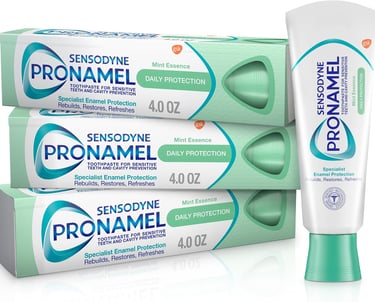
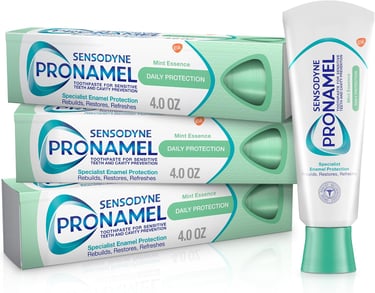
7. sensodyne pronamel daily protection enamel toothpaste (mint essence)
what it is: daily fluoride toothpaste for sensitive teeth that focuses on protecting enamel from acid wear while giving cavity protection and mild sensitivity relief.
pros:
strengthens acid‑softened enamel to help prevent erosion‑linked sensitivity.
low‑abrasion, balanced pH, gentle enough for weakened enamel.
simple, SLS‑free “essential care” formula dentists often recommend for general sensitivity.
cons:
whitening and cosmetic effects are minimal compared with pronamel gentle whitening or high‑whitening pastes
tends to cost more per tube than very basic toothpastes, even though it’s the more affordable option within the pronamel family
best for: everyday sensitivity and enamel wear (from sodas, citrus, or reflux) in people who want a simple, minty, low‑abrasion paste that protects enamel first and only does very soft whitening.