Whitening Toothpaste
whitening toothpastes are best at lifting surface stains from things like tea, coffee, and fizzy drinks using gentle scrubbing ingredients (like silica or baking soda) plus, sometimes, a little peroxide to lighten discoloration. they don’t replace pro whitening, but they do help your natural tooth shade look brighter and keep results from strips or dentist treatments lasting longer—especially if you use them twice a day.
2/27/20264 min read
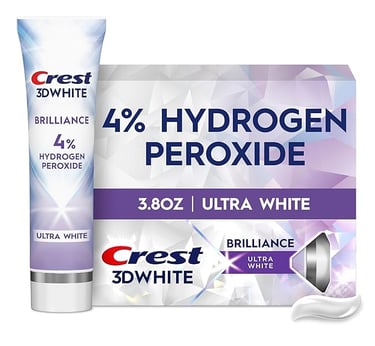
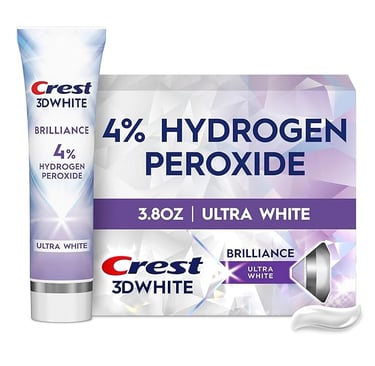
1. crest 3d white brilliance / advanced whitening
what it is: fluoride whitening toothpaste that uses hydrogen peroxide and mild abrasives to remove and prevent stains.
pros:
strong stain‑removal formula widely recommended by dentists and editors as a “best overall” whitening pick
repeatedly featured in “best whitening toothpaste” lists for delivering visible brightening with daily use
combines whitening with cavity protection, so you don’t need a separate “regular” toothpaste
cons:
can increase sensitivity for some people if used too often or without alternating with a gentler paste
mint and whitening foam can feel intense if you dislike strong flavours
best for: most people with non‑sensitive teeth who want noticeable whitening from a regular, easy‑to‑find toothpaste.
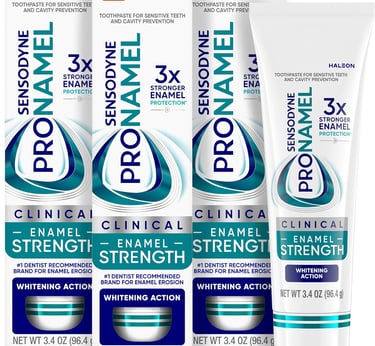
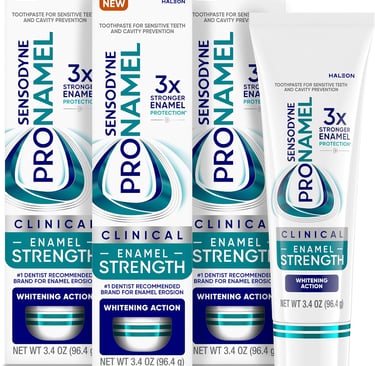
3. sensodyne pronamel gentle whitening / clinical white
what it is: fluoride sensitivity toothpaste that also includes gentle polishing agents to whiten without harsh abrasives.
pros:
designed for sensitive teeth, using ingredients like potassium nitrate while still removing surface stains
enamel‑safe and focused on strengthening + protecting against acid wear
sensodyne “clinical white” was recognized in Allure Readers’ Choice Awards as a top dental‑care pick for sensitive, whitening‑plus‑care needs.
cons:
whitening is more gradual and subtle compared with high‑peroxide formulas
best for maintenance and mild stains, not dramatic “before/after” transformations
best for: sensitive or erosion‑prone teeth that still want a few shades of brightening over time.
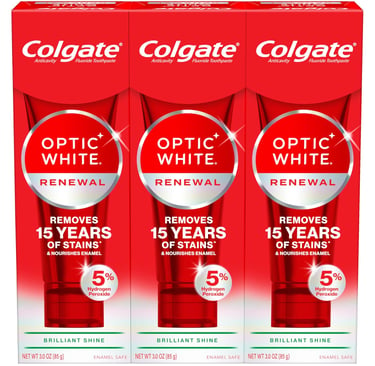
2. colgate optic white advanced / renewal
what it is: peroxide‑based whitening toothpaste designed to tackle deeper, older stains more aggressively than basic stain‑removal pastes.
pros:
uses hydrogen peroxide (higher strength than many rivals) for stronger whitening power
dentists call out the pro‑series formulas as some of the most effective OTC whitening toothpastes
often highlighted in expert roundups for “deep stain” or “years of stains” rather than just fresh coffee marks
cons:
higher peroxide level can trigger or worsen sensitivity if used every single brushing
recommended by some dentists as something to alternate with a gentler enamel‑care paste
best for: people with noticeable staining who don’t have major sensitivity and want faster, stronger whitening from their toothpaste.
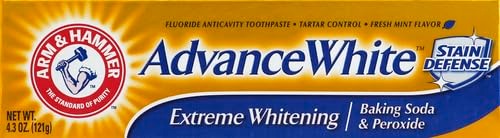
4. arm & hammer advance white (baking soda + peroxide)
what it is: baking‑soda‑based whitening toothpaste with added peroxide for extra stain removal.
pros:
baking soda helps break up and scrub away surface stains, while peroxide adds chemical whitening
budget‑friendly and easy to find, often recommended in “best whitening toothpaste” lists as the top baking‑soda choice
strong “clean” feeling after brushing, which many people like for coffee/tea stains
cons:
salty/strong taste that not everyone loves
abrasiveness plus peroxide can be a bit much if you already have sensitivity or thin enamel
best for: non‑sensitive, stain‑prone coffee/tea drinkers looking for a cheaper but effective brightening option.
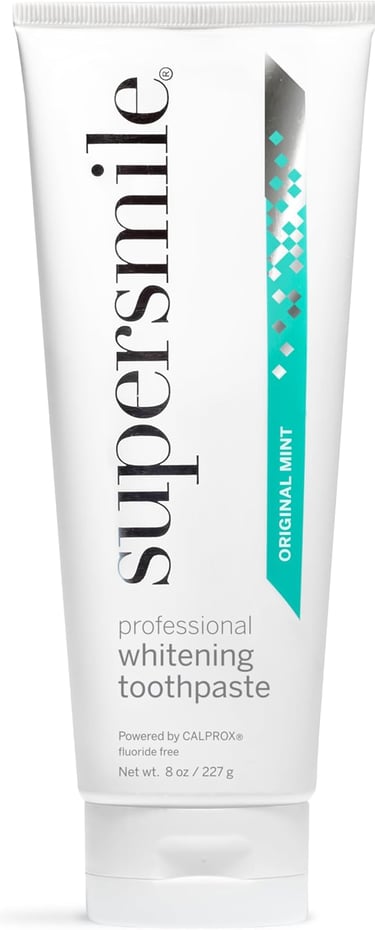
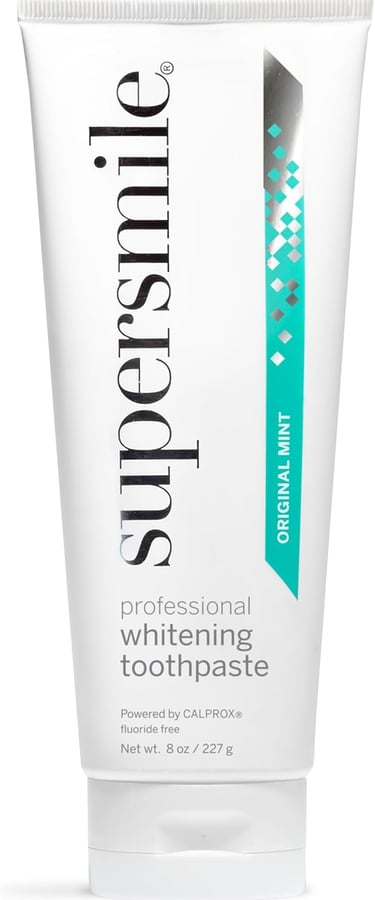
5. supersmile whitening toothpaste
what it is: professional‑style whitening toothpaste that uses Calprox (a form of calcium peroxide) rather than high abrasives to lift stains.
pros:
top “best overall” whitening pick in at least one dentist‑reviewed test of 30+ toothpastes
designed to work especially well at maintaining professional whitening results
less gritty than many drugstore pastes, which some people find more comfortable for daily use
cons:
significantly more expensive than typical supermarket toothpastes
works best when used consistently and as part of a careful routine, not as a random occasional swap
best for: people who have done professional whitening or strips and want to maintain brightness with a more premium toothpaste.
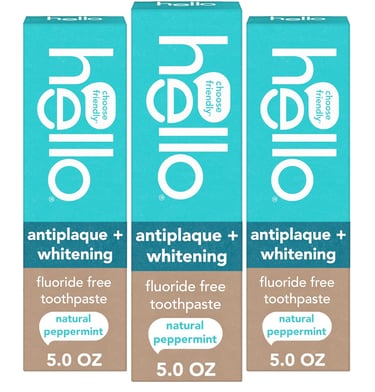
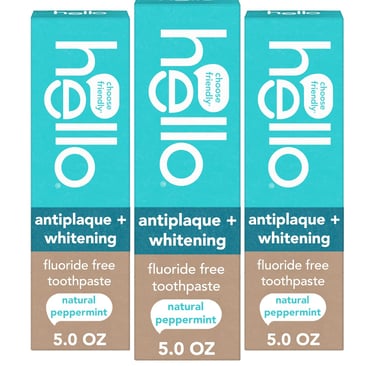
6. hello naturally whitening toothpaste (fluoride or fluoride‑free versions)
what it is: “natural” whitening toothpaste that uses gentle abrasives (like silica) and ingredients such as coconut oil, rather than peroxide, to lift surface stains.
pros:
vegan, cruelty‑free, and free from artificial sweeteners and some harsher additives
gently polishes away stains and leaves breath fresh without being super foamy
called out as a “best natural” whitening pick in dentist‑reviewed product guides
cons:
less dramatic whitening than stronger peroxide formulas
fluoride‑free versions are not ideal if someone is high‑risk for cavities
best for: people who care about more natural formulas and want mild whitening + good everyday cleaning.
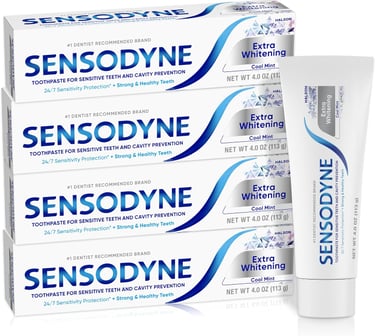
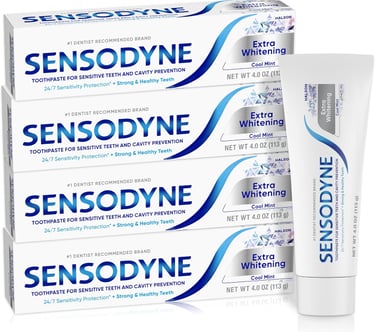
7. sensodyne extra whitening / full protection + whitening
what it is: sensitivity toothpaste that includes gentle whitening and stain‑removal for people who can’t tolerate strong peroxide pastes.
pros:
balances sensitivity relief with gradual whitening, recommended
often for sensitive‑tooth whitening
helps protect enamel and reduce discomfort from hot/cold while also lifting stains
appears in multiple expert and product roundups as a go‑to whitening choice for sensitive teeth
cons:
whitening results are slower and softer than high‑peroxide options like Colgate Optic White Pro Series
won’t dramatically shift very dark or long‑term intrinsic discoloration
best for: anyone whose teeth zing with regular whitening pastes but who still wants some brightening plus long‑term sensitivity care.